Garden landscaping in Covent Garden
If you are looking for garden landscaping in Covent Garden, you are probably trying to make the most of every inch of outdoor space while keeping the result practical, attractive, and suited to local living. In this part of central London, gardens, courtyards, roof terraces, and shared outdoor areas often need a smarter approach than a standard suburban garden. Space can be limited, access can be awkward, and the right finish has to work for both everyday use and visual impact. That is where a local landscaping service becomes especially valuable.
Covent Garden is a unique setting. Many properties are tucked behind period façades, arranged around mews-style access, or attached to apartment buildings and mixed-use premises. Outdoor spaces here may be small, shaded, overlooked, or heavily used, which means design choices need to be thoughtful from the start. A well-planned landscape can turn a plain or underused area into a calm retreat, a useful entertaining space, or a polished frontage that supports the look of the property as a whole.
Whether you manage a residential courtyard, a ground-floor flat garden, a townhouse terrace, or a commercial outdoor area near the theatre district, the goal is usually the same: create a space that is easy to maintain, pleasant to use, and visually in keeping with the building. Garden landscaping is not just about adding plants. It can include paving, borders, drainage, lighting, screening, raised beds, planting plans, and structural features that make the space work properly throughout the year.

Why garden landscaping suits Covent Garden properties
Outdoor spaces in Covent Garden face a different set of pressures from larger suburban plots. There is often less room for experimentation, more need for privacy, and a stronger requirement for neat, durable finishes. Landscaping has to balance appearance with practicality, especially where access is shared or where the garden is viewed from neighbouring windows or upper floors. For many local customers, the aim is to make the space feel larger, brighter, and more usable without overcrowding it.
Another factor is the mix of property types. You might have a period townhouse with a compact rear garden, a modern apartment with a terrace, a business premises with a small frontage, or a communal area that needs a cleaner and more manageable layout. A thoughtful landscape design can make these spaces feel intentional rather than incidental. This is particularly useful in central London, where outdoor areas are often highly visible and part of the property’s overall appeal.
There is also the question of year-round resilience. Shaded courtyards, wind-exposed terraces, and hard-used access points all need materials and planting that can cope with real conditions. That could mean choosing tougher paving, improved drainage, structured planting, or low-maintenance planting schemes that still look refined. A properly planned landscaping project helps avoid the common problems of patchy lawn areas, messy borders, water pooling, and plant loss from unsuitable conditions.
What a local landscaping team brings to the project
A local team working in and around Covent Garden understands the practical challenges that come with central London projects. That includes limited parking, controlled access, narrow stairways, basement entrances, loading constraints, and the need to keep disruption to neighbours or customers as low as possible. When a project is organised properly, these issues are handled before work begins, which helps the job run more smoothly.
Local knowledge also helps with design choices. Sunlight levels, surrounding building heights, privacy needs, and foot traffic patterns can all affect what will work best. A courtyard that receives only a few hours of light a day needs very different planting from a roof terrace with full exposure. In a busy district like this, good landscaping also needs to suit the pace of life—clean lines, easy upkeep, and surfaces that remain tidy and usable.
For commercial properties, local experience matters even more. Restaurants, offices, hospitality venues, and retail premises often want outdoor areas that reflect the brand and improve the customer experience. That can mean entrance planting, seasonal refreshes, seating-area screening, or a neat frontage that looks professional throughout the year. The right landscape can make an outdoor space feel like a natural extension of the property rather than an afterthought.
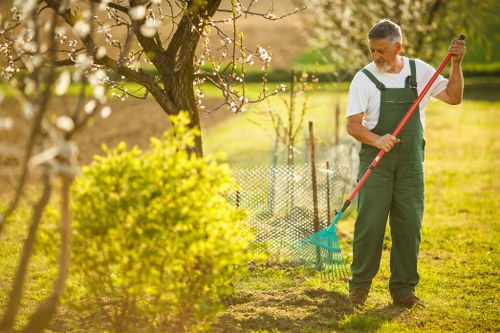
Garden landscaping services available in Covent Garden
Garden landscaping can cover a wide range of work, from small improvements to full outdoor transformations. In Covent Garden, many projects combine several services at once because the space needs to do more than one job. A compact garden might need paving, planting, seating, and storage solutions. A commercial courtyard may require a mix of hard landscaping and seasonal planting. A terrace may need lightweight materials, planters, and carefully chosen screening.
Typical services include hard landscaping and soft landscaping. Hard landscaping refers to the built elements of the space, such as paths, edging, retaining walls, steps, patios, decking, and raised planters. Soft landscaping includes soil improvement, planting, turf or alternative ground cover, mulching, and the creation of layered planting schemes. The best results usually come from combining both in a way that suits the space and the way it will be used.
Lighting and drainage are also important. In central London gardens, water management can make a big difference to the longevity of the work. Likewise, subtle lighting can help create atmosphere and improve safety in areas used during the evening. For customers who want a polished result, these practical details often matter just as much as the visual features.
Common landscaping work requested locally
Here are some of the most common requests for landscaping in the Covent Garden area:
- Redesign of small gardens and courtyards
- Planting plans for shaded or partially shaded spaces
- Installation of paving, gravel, or decking
- Raised beds and planters for compact areas
- Privacy screening and boundary improvements
- Outdoor lighting for ambience and visibility
- Drainage improvements for wet or poorly drained spaces
- Low-maintenance planting for busy households or businesses
- Front garden and entrance landscaping
- Seasonal refreshes for commercial outdoor areas
If you are planning a project, it helps to think about how you want to use the space on a daily basis. For example, do you want somewhere to sit quietly, entertain guests, display planting, or simply tidy up a tired outdoor area? A good landscaping plan starts with those practical goals and builds outward from them.

Design ideas that work well in Covent Garden
The best landscaping ideas for Covent Garden are usually the ones that make compact spaces feel more open without losing character. Clean layouts, layered planting, and carefully selected materials can transform even a small courtyard or terrace. Because the area includes both historic and modern buildings, the design often needs to respect the architecture while still feeling fresh and functional.
For many homeowners, a strong result comes from using a limited palette of materials and repeating key elements. That could mean using one main paving style, coordinated planters, and a small number of plant types that work well together. This approach can reduce visual clutter and make the area feel more spacious. It also tends to be easier to maintain, which is especially useful for busy residents and landlords.
Commercial landscaping in Covent Garden often benefits from clean, reliable, and brand-friendly design. A hospitality venue may want lush planting that softens hard surfaces, while an office building may prefer a more restrained, contemporary look. In either case, the landscape should support the function of the property and create a positive impression at first glance.
Ideas for different outdoor spaces
Small courtyard gardens: use reflective or light-toned materials, vertical planting, wall climbers, and built-in seating to maximise space.
Townhouse gardens: combine structured paving with layered borders, feature planting, and practical access routes.
Roof terraces: choose lightweight planters, wind-tolerant planting, and surfaces that drain well and feel comfortable underfoot.
Commercial entrances: prioritise tidy lines, durable planting, and a layout that remains attractive with regular foot traffic.
Shared residential spaces: focus on low-maintenance planting, clear boundaries, and safe, easy access for all users.
It is also worth considering sightlines. In a densely built area, the garden may be seen from above, from adjacent windows, or from a rear entrance. Landscaping that looks good from multiple angles is often a better investment than a design that only works from one viewpoint.

How the service usually works
When customers enquire about garden landscaping in Covent Garden, they often want a clear process that helps them feel confident from the start. A well-run project normally begins with a discussion about the space, its current condition, and what you want to achieve. From there, the work can be shaped around your priorities, whether that is a full redesign or a focused improvement to one part of the garden.
The first step is usually an assessment of the site. This helps identify access issues, levels, drainage needs, sun and shade patterns, existing features worth keeping, and any restrictions that could affect the work. In central London, this stage is particularly important because logistics can have a significant impact on scheduling and materials handling. It is always better to plan these details carefully than to discover them during the build.
Next comes the design and specification stage. This may involve recommending materials, planting styles, layout changes, and any extra features that would improve the final result. Some clients already know exactly what they want, while others need help deciding between different options. In either case, the aim is to create a landscape that feels intentional, durable, and appropriate for the property.
What is typically included
- Initial site discussion and project review
- Practical advice on layout and materials
- Hard landscaping and/or soft landscaping work
- Installation of planting, edging, and features
- Drainage or access improvements where needed
- Clear preparation of the site before work begins
- Tidy completion and finishing touches
Depending on the project, the work may be completed in stages. This is often useful where access is limited or where the property remains in use during the project. For commercial clients, phased work can reduce disruption. For homeowners, it can help manage the transformation of the space in a practical, organised way.
Book your service now if you are ready to discuss your space and take the next step toward a more usable and attractive outdoor area.

Preparation checklist before landscaping begins
Good preparation can save time, reduce disruption, and help the finished result perform better. Whether you are arranging a small courtyard update or a larger redesign, there are a few simple steps that make a real difference. In Covent Garden, where access and space are often limited, being prepared is especially useful.
Before the work starts, it helps to think about how you use the garden now and how you want to use it after the project. If the area is currently underused, ask whether it should become a seating space, a planting feature, a quiet retreat, or a better-looking frontage. If it is already in use, consider what frustrates you most: poor drainage, lack of privacy, tired paving, or difficult maintenance.
It is also sensible to review practical matters such as storage, access points, and any items that need to be moved before work starts. For residents in flats or buildings with shared outdoor areas, it may be necessary to coordinate timing with neighbours or building management. For businesses, the work may need to be scheduled to avoid busy hours or key trading periods.
Helpful preparation points
- Clear the area of movable furniture, pots, and accessories where possible.
- Identify any existing features you want to keep or reuse.
- Check access routes for materials and equipment.
- Consider how you want the space to function day to day.
- Let relevant building managers or neighbours know about the project if needed.
- Think about maintenance needs after completion.
Tip: If you have a very small outdoor space, even a few centimetres matter. Accurate planning can make the difference between a cramped area and one that feels comfortable and balanced. This is one reason why local landscaping work should be designed with the actual site conditions in mind, not just a general style idea.
For many customers, the best time to start is before a problem becomes urgent. Tired paving, poor drainage, or overgrown planting can all reduce the enjoyment of the space, and these issues usually become more noticeable during wet or busy seasons. A properly planned improvement can solve practical issues while lifting the overall look of the property.
Pricing factors for landscaping projects
Every landscaping project is different, so prices vary according to the scope of work, materials selected, and the conditions on site. In Covent Garden, access constraints and working conditions can also play a part in the overall cost. Rather than thinking in terms of a one-size-fits-all price, it is more useful to understand the main factors that shape a quote.
The size of the area is a starting point, but it is not the only factor. A small terrace with difficult access and custom features may require more planning than a larger open garden. Likewise, a simple planting refresh will usually cost less than a full redesign involving paving, drainage, edging, lighting, and new structures. The choice of materials can also affect the budget, especially where premium finishes or specialist products are involved.
Access and logistics are particularly relevant in central London. If materials need to be carried through narrow spaces, up stairs, or via limited loading points, labour and scheduling may need to be adjusted. This is one reason why local experience is valuable: it helps make the quote more realistic and the project more manageable from the outset.
Common cost influences
- Size and complexity of the outdoor space
- Condition of the existing garden or hard surfaces
- Type and amount of materials required
- Access restrictions and delivery logistics
- Drainage, levelling, or structural preparation needed
- Whether planting, hard landscaping, or both are included
- Level of detail in the final design and finishing
If you are comparing options, it is sensible to ask what the quote includes and whether any preparation work is required before the main installation. A clear, well-explained quotation helps you understand where your money is going and makes it easier to compare different approaches.
Request a free quote when you are ready to explore the best approach for your property. A short conversation about your space can quickly clarify what is possible and what is likely to give you the best long-term value.
Why choose a local company for garden landscaping in Covent Garden
Choosing a local company brings practical advantages that matter on real projects. A team familiar with the area is more likely to understand local access challenges, parking limitations, property styles, and the expectations of both residential and commercial clients. In a busy central district, that knowledge can save time and reduce stress.
Local experience also helps with timing and coordination. If your project involves a courtyard behind a restaurant, a shared garden in a managed block, or a townhouse with limited vehicle access, it helps to work with people who have handled similar conditions before. They are more likely to plan around the realities of the site rather than treating it like a standard garden somewhere else in London.
There is also value in working with a company that understands the character of Covent Garden and nearby areas such as Soho, Holborn, Bloomsbury, Seven Dials, the Strand, and the broader West End. These locations often have properties with high visibility, heritage features, or compact outdoor spaces that need a careful balance of style and practicality. A local landscaper can respond to those needs with solutions that suit the setting.
What customers usually want from a local landscaping service
- Reliable planning and clear communication
- Solutions suited to small or awkward spaces
- Awareness of central London access issues
- Useful advice on planting and materials
- Work that respects the property and surrounding area
- A tidy, professional finish that feels appropriate to the location
For many customers, trust is built through practical competence rather than promises. That means arriving prepared, understanding the site, handling logistics sensibly, and delivering a result that works in day-to-day use. A good landscaping service should make the process feel manageable, even when the space itself is challenging.
Areas covered around Covent Garden
Garden landscaping projects are often booked not only in Covent Garden itself but also in nearby parts of central London where similar property types and access conditions are common. This can include residential streets, mixed-use developments, commercial courtyards, and roof spaces where outdoor areas are limited but highly valuable.
Nearby locations frequently served include Soho, Holborn, Bloomsbury, Strand, Seven Dials, Leicester Square, and surrounding parts of the West End. If your property is close to Covent Garden but sits in a different central area, the same approach to design, access planning, and practical finishes may still apply.
This is especially relevant for landlords, property managers, hospitality venues, and business owners who want outdoor space to remain presentable and functional with minimal hassle. Whether the project is for private use or public-facing use, the same principles apply: durable materials, thoughtful planting, and an organised process.
Frequently asked questions
Can landscaping work be done in a very small courtyard?
Yes. Small courtyards can often benefit the most from professional landscaping because the design needs to be exact. With the right layout, materials, and planting, even a compact space can feel more balanced, brighter, and easier to use.
What if my garden gets little sunlight?
Shady or partially shaded spaces are common in Covent Garden. Planting can be selected to suit lower light levels, and materials can be chosen to help the area feel lighter and less enclosed. A local landscaper can suggest options that cope better with the actual conditions on site.
Do you work on both homes and commercial properties?
Yes. Garden landscaping in Covent Garden often involves both residential and commercial clients. Homes, managed buildings, restaurants, offices, and other business premises may all need different approaches, but the same attention to practicality and finish applies.
How long does a project take?
Timescales depend on the size and complexity of the work, the materials involved, and the access arrangements. A simple planting update may be relatively quick, while a full redesign with hard landscaping and drainage improvements will naturally take longer. A site visit and quote discussion are the best way to understand the schedule.
Can you help if I only want part of the garden improved?
Absolutely. Many customers only need one section of the space improved, such as the paving, border layout, entrance area, or planting structure. A phased approach can be a sensible way to upgrade the garden without attempting a full transformation all at once.
What should I do before asking for a quote?
It helps to gather a few ideas about how you want to use the space, take note of any problem areas, and think about whether you prefer low-maintenance planting, more usable hard surfaces, or a blend of both. Photos can also be useful if access is limited or if you want to discuss the area before an on-site visit.
Making the most of your outdoor space
In Covent Garden, outdoor space is often too valuable to leave underused. A well-planned landscape can improve the way a property looks, feels, and functions, whether it is a private courtyard, a roof terrace, or a commercial frontage. The right design can make a small area feel generous, a tired area feel revived, and a difficult area feel manageable.
Garden landscaping in Covent Garden works best when it responds to the reality of the site: access, light, privacy, upkeep, and how the space will be used every day. That is why local knowledge matters. The best results usually come from combining practical thinking with good design choices, so the final space is not only attractive but genuinely useful.
If you are ready to improve your outdoor area, now is a good time to take the next step. Contact us today to discuss your plans, request a free quote, or book your service now and start turning your Covent Garden garden, terrace, or courtyard into a space that works better for you.