Turf Laying in Covent Garden: Fresh Lawns for Homes, Courtyards, and Commercial Spaces
If you are looking for turf laying in Covent Garden, you are likely after more than a neat patch of grass. In a central London area where outdoor space is often limited, every square metre matters. Whether you have a small private courtyard, a roof terrace with a lawn section, a communal garden, or a business frontage that needs a smart green finish, professionally laid turf can transform the look and feel of the space almost immediately.
Covent Garden is a busy, characterful part of central London, and that brings both opportunity and challenge when it comes to landscaping. Tight access, nearby loading restrictions, shared entrances, pedestrian traffic, and a mix of historic and modern property types all affect how a turfing project needs to be planned. A local team understands those realities and can carry out the job with the right preparation, materials, and timing.
Fresh turf gives an instant visual upgrade, but good results depend on what happens before the roll of grass is laid. From ground preparation and levelling through to aftercare and watering, the process needs care and attention. This page explains what is included, how turf installation works, what influences cost, and why choosing a local service for Covent Garden turf laying can save you time, stress, and avoidable mistakes.
Why turf laying is popular in Covent Garden

Covent Garden properties often have outdoor spaces that are small, visible, and highly used. A tired lawn, patchy soil, or an awkward paved area can make a home or business feel less welcoming. Fresh turf changes that quickly. It creates a clean, natural surface that is ideal for relaxing, entertaining, displaying a better frontage, or giving children and pets a more usable area.
For residential customers, turf can be a practical way to improve a courtyard, a narrow garden, or a communal space where a low-maintenance, attractive finish is needed. For commercial customers, it can help soften hard landscaping around offices, hospitality venues, retail properties, and serviced buildings. In an area with high footfall and constant movement, a well-installed lawn can make a strong first impression.
Another reason turfing is often preferred locally is speed. Compared with waiting for seed to establish, new turf offers a far quicker route to a usable surface. When installed properly, it settles into the prepared ground and starts to root, creating a natural lawn without a long waiting period. That is especially valuable where access to outdoor space is limited and every day of disruption counts.
What is included in a professional turf laying service?
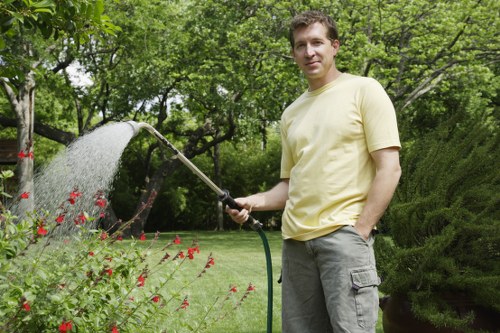
A proper turf laying service is more than simply rolling out grass. The outcome depends on site assessment, preparation, product quality, installation technique, and care after laying. A reliable local service should take each of these stages seriously so the lawn has the best chance of establishing well.
Typical turf installation work may include:
- Initial site assessment and discussion of the intended use of the space
- Removal of old turf, weeds, debris, or unsuitable top layers
- Ground levelling and improvement of the soil structure where required
- Applying suitable topsoil or dressing to create a healthy base
- Measuring, cutting, and laying turf with tight joins and neat edges
- Rolling, settling, and checking the finished surface for uniformity
- Basic aftercare advice covering watering, mowing, and early use
Good preparation is essential. If the ground beneath the turf is uneven, compacted, poorly drained, or full of old roots and rubble, the lawn may look good for only a short time before problems appear. That is why local turf laying in Covent Garden should always be planned with the conditions of the site in mind rather than treated as a one-size-fits-all task.
Some spaces may need extra work before the turf arrives, such as drainage improvements, raised borders, edging, or access-friendly staging for materials. In central London locations, careful planning also helps reduce disruption for neighbours, tenants, staff, and visitors.
Turf laying in Covent Garden for homes, courtyards, and shared gardens

Covent Garden includes a range of property types, from period buildings and converted flats to modern apartments and managed developments. That variety means turf installation needs to be flexible. A small rear yard in a townhouse block will need a different approach from a planted communal garden or a tucked-away private terrace.
For homeowners, turf can soften hard surfaces and create a more comfortable, attractive outdoor area for everyday use. Even a modest lawn area can make a big difference to how a home feels. For landlords and managing agents, a fresh lawn can improve presentation and help keep a communal outdoor area looking cared for.
In shared spaces, durability matters as much as appearance. A lawn that is likely to be walked on regularly should be laid with traffic in mind, using a suitable turf variety and good rooting conditions. Where access is limited and the garden is seen by many people, it is worth investing in a finish that will look tidy and hold up well with regular use.
Typical domestic projects include
- Small back gardens and paved courtyards converted into lawned areas
- Replacement of old, worn, or damaged turf
- Front garden refreshes for a smarter street-facing appearance
- Garden makeovers following building or renovation work
- Edging and finishing around beds, paths, and seating zones
Commercial turf laying for Covent Garden businesses and managed properties

Businesses in Covent Garden often rely on presentation. A neat outdoor area can support a professional image for offices, hospitality venues, retail premises, residential blocks, and mixed-use buildings. Turf can be used to create a welcoming entrance, refresh a courtyard, or improve a customer-facing external area.
Commercial turf laying often comes with extra practical concerns. Works may need to be timed around opening hours, deliveries, event schedules, or access needs for staff and visitors. A local service is valuable because it can plan for the realities of central London rather than assuming a straightforward suburban setup.
There is also the issue of wear. A commercial lawn may need to cope with repeated use, occasional temporary furniture, foot traffic from maintenance teams, or the visual demands of a high-profile location. The right turf choice, together with good soil preparation and edge detailing, can help the space stay attractive for longer.
Commercial customers often need help with
- Courtyard lawns in offices and mixed-use developments
- Hospitality outdoor spaces that need a polished, natural finish
- Event and display areas that benefit from a green surface
- Managed communal gardens in residential blocks
- Refresh work after landscaping or refurbishment projects
Contact us today if you are planning a commercial turfing project and want a practical, tidy installation that works around site access and busy schedules.
How the turf installation process works
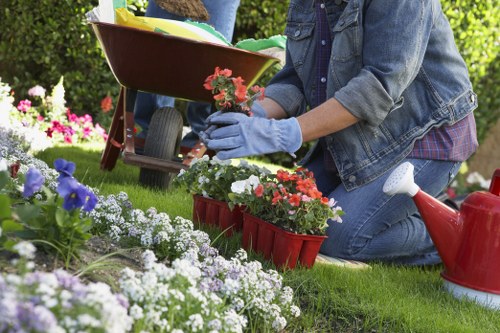
A well-run turf laying project usually follows a clear sequence. Understanding the steps helps customers know what to expect and why each part matters. It also makes it easier to prepare the site and reduce delays on the day.
1. Site review and measuring
The area is checked for access, dimensions, existing surface conditions, drainage concerns, and any awkward features such as steps, corners, tree roots, or narrow passages. In Covent Garden, this stage is especially important because even a small project may involve restricted access or shared routes.
2. Clearing and ground preparation
Old grass, weeds, stones, construction waste, or poor-quality top layers are removed. The area is then levelled and improved so the new turf can root into a stable, healthy base. If needed, fresh topsoil or a suitable dressing is added.
3. Laying the turf
The turf is rolled out in staggered joints and pressed carefully into place. Edges are trimmed neatly, and the finished layout is checked for gaps, raised sections, or obvious misalignment. Skilled laying makes the lawn look seamless and helps it establish more evenly.
4. Rolling and finishing
Once the turf is in position, it is lightly rolled or settled so the roots make better contact with the soil beneath. Final checks are made around borders, drains, paths, or access points to ensure the finish is clean and practical.
5. Aftercare advice
Fresh turf needs care in the early period after installation. Customers should know when to water, when to avoid heavy foot traffic, and when the first mow can take place. Clear aftercare helps protect the investment and supports healthy establishment.
Preparing your property for turf laying
Good preparation can make the installation quicker and reduce complications. Before the team arrives, it helps to think about access, parking, pets, and any items that need moving. In central Covent Garden, where delivery space and parking options can be limited, small practical steps can make a big difference.
You may also want to discuss what will be removed from the existing space. For example, is it an old lawn, soil that needs refreshing, gravel, or a hardstanding area being converted into a green space? The more clearly the site is understood at the start, the smoother the project is likely to run.
Here is a useful preparation checklist:
- Clear furniture, plant pots, toys, and loose items from the work area
- Confirm how the team will access the site through the building or garden
- Check whether parking or unloading arrangements need to be planned in advance
- Keep pets and children away from the work zone during installation
- Arrange water access for the aftercare period if needed
- Discuss any drainage, slope, or level concerns before work begins
- Let the installer know about shared entrances, residents, or business opening hours
For many customers, this is the stage that turns a turfing job from a stressful event into a straightforward improvement project. A little planning helps protect both the finish and the schedule.
Pricing factors for turf laying in Covent Garden
Customers often want to know what affects the cost of turf laying, especially in an area where access and logistics can be more complex. While exact prices vary from project to project, several key factors usually shape the final quote.
Size of the area is the most obvious factor. Larger spaces require more turf, more preparation, and more labour. However, very small spaces can also involve time-consuming detail work if they have awkward shapes, limited access, or intricate edging.
Ground condition also matters. A lawn area that is already fairly level and clear of debris may be simpler to prepare than one that needs significant clearing, topsoil replacement, drainage attention, or regrading.
Other influences can include:
- Type and quality of turf selected
- Amount of soil improvement required
- Removal and disposal of old materials
- Access restrictions and carrying distances
- Need for edging, border work, or small landscaping extras
- Timing constraints linked to residents, businesses, or building management
If you are requesting a quote for turf laying in Covent Garden, it helps to share photos, measurements, and any access notes. That allows the team to understand the job properly and suggest the most practical approach.
Why choose a local Covent Garden turfing company?
Choosing a local team can make a real difference in central London. A company familiar with Covent Garden understands the pressures of working in a dense, high-traffic area and can plan accordingly. This is important when materials need to be moved efficiently, when timing has to be managed carefully, and when the site may sit within a shared building or a busy commercial property.
Local experience is also useful when dealing with the kinds of properties commonly found around Covent Garden and nearby areas such as Holborn, Soho, Seven Dials, Strand, and the wider West End. These locations often involve narrow access routes, internal courtyards, basement gardens, roof-level spaces, and managed communal areas. A team used to these conditions is better placed to avoid delays and keep the work tidy.
Another advantage is practical communication. A local service can usually assess access, advise on preparation, and schedule work with a clearer understanding of central London conditions. That can be especially helpful for landlords, facilities teams, and homeowners who want the job done with minimal disruption.
Local knowledge helps with
- Restricted access and careful material handling
- Central London parking and unloading challenges
- Working around residents, businesses, and building schedules
- Choosing turf suitable for use and site conditions
- Planning work for shared or compact outdoor spaces
What types of turf are suitable?
Not every lawn needs the same kind of turf. The right selection depends on use, shade, available sunlight, maintenance expectations, and the condition of the site. In Covent Garden, where gardens may be overlooked, partly shaded, or used fairly intensively, getting the choice right matters.
General-purpose turf is often suitable for many residential lawns and mixed-use spaces. It offers a balanced look and can work well where the lawn will be used regularly but not excessively. For more demanding settings, a tougher blend may be preferable, while ornamental spaces may need a finer finish.
Consider the following questions when choosing turf:
- Will the lawn be used by children, pets, residents, or visitors?
- Does the area receive full sun, partial shade, or a mix of both?
- Is the aim a decorative finish or a more practical surface?
- How much maintenance will the property owner realistically want to carry out?
A good installer can explain the options in plain language and match the turf to the space, rather than recommending the same product for every project.
Aftercare: helping new turf establish properly
Fresh turf starts its life as a living product, so it needs a sensible aftercare routine. The most important early task is watering. Newly laid turf generally needs regular moisture while roots are establishing, especially in dry or windy conditions. In a central London setting, this can be especially important on exposed terraces or sunlit courtyard areas.
It is also important to limit foot traffic at the start. Walking on the lawn too soon can shift the turf, disturb the root contact, or create dips and uneven patches. If the lawn is in a communal or commercial space, it may be necessary to plan how the area will be used during the first few weeks.
General aftercare principles often include:
- Water thoroughly according to the season and site conditions
- Avoid heavy use until the turf has rooted well
- Wait to mow until the grass is established and ready
- Check the edges and corners, which can dry out more quickly
- Watch for any uneven drying or lifting in the early stages
Good aftercare is part of the service outcome. Even the best-laid turf needs the right conditions to settle, and customers who follow the early care advice are more likely to enjoy a healthy lawn for longer.
Common challenges in Covent Garden and how they are handled
Turf laying in Covent Garden often involves a few practical challenges that are less common in more open suburban settings. The good news is that most of them can be managed effectively with planning and experience.
Restricted access is one of the most common issues. Turf, soil, and tools may need to be carried through entrances, shared corridors, or limited loading points. This means careful scheduling and a tidy method of working are essential.
Surface level changes are another concern. Many small outdoor spaces in central London have been altered over time, and some may contain uneven bases, old paving, compacted ground, or mixed materials beneath the surface. These conditions need attention before turf is laid.
Other common issues include:
- Shade from surrounding buildings
- Drainage limitations in enclosed spaces
- Limited room for storing materials on site
- Noise and timing considerations in shared buildings
- The need for clean edges around paving, planters, and boundary walls
A local turfing team will usually account for these issues as part of the initial planning, helping the project run more smoothly and reducing the risk of rework later on.
Areas covered around Covent Garden
Customers looking for turf laying in Covent Garden often also need work carried out in nearby central London locations. A local service is often well placed to cover adjoining streets and neighbourhoods where similar access and property conditions apply.
Nearby areas commonly served include Holborn, Soho, Seven Dials, Strand, Fitzrovia, Bloomsbury, Mayfair, and other central London districts within practical reach. This matters because the same team can often support related properties, managed sites, or multiple outdoor spaces without the complications of bringing in a distant contractor unfamiliar with the area.
If your property sits in a nearby central location, it is worth asking about availability for turf installation, lawn repair, replacement turf, or related garden preparation work. Even small projects benefit from local understanding.
Frequently asked questions
How long does turf laying take?
The time needed depends on the size and condition of the site, access, and how much preparation is required. Small spaces may be completed quickly, while more complex areas need longer for clearing, levelling, and finishing. In Covent Garden, access and loading arrangements can also affect the schedule.
Can turf be laid on a courtyard or small urban garden?
Yes, turf can work very well in courtyards, small gardens, and compact outdoor spaces as long as the base is prepared correctly. Drainage, sunlight, and usage levels all need to be considered before installation.
Is turf suitable for shaded areas?
Some turf can cope better with shade than others, but heavily shaded sites may need special attention. A site visit or detailed assessment helps determine whether turf is the right choice or whether a mixed landscaping solution would perform better.
Do I need to remove the old lawn first?
Usually, yes. Old turf, weeds, and poor-quality surface material should be removed before new turf is installed. This gives the new lawn a healthier foundation and improves the final finish.
How soon can I use the lawn after installation?
It is best to avoid heavy use until the turf has had time to root into the soil. The exact timing depends on conditions such as weather, watering, and soil quality. Your installer should explain the early-use restrictions clearly.
Can turf laying be done for commercial premises outside normal hours?
In many cases, yes. Commercial projects often need to work around opening times, deliveries, and building access arrangements. This is one of the main reasons local planning is helpful.
What to expect when you request a quote
When you ask for a quote for turf laying in Covent Garden, it helps to provide as much useful information as possible. Photos, measurements, notes about access, and an outline of what you want the space to do all help the team assess the work properly.
You may want to mention whether the project is for a home, a shared building, a business, or a managed property. Also note whether the existing surface is lawn, soil, paving, or a mixed area. If the site has any special constraints, such as restricted loading or fixed times when access is available, those should be included too.
To move forward, simply request a free quote or book your service now if you are ready to improve the space. A clear, local approach makes it easier to plan the work and get the right finish for your property.
Why turf laying is a smart investment for central London properties
A new lawn can do more than improve appearance. It can add a softer, more usable surface to a space that might otherwise feel hard, awkward, or underused. In Covent Garden, where outdoor areas are often at a premium, a well-made lawn helps a property feel more complete.
It can also support everyday practicality. A turf surface may be easier to use for relaxed seating, light play, pet activity, or simply improving the outlook from inside the property. For commercial premises, it can support brand presentation, create a better welcome, and make the space look cared for.
When installed with the right preparation and aftercare, new turf can provide an attractive result that fits naturally into the local setting. For customers who want a straightforward and effective improvement, it remains one of the most rewarding landscaping options available.
Final thoughts on turf laying in Covent Garden
If your outdoor space in Covent Garden needs a fresh start, professional turf laying can be a practical and visually effective solution. The key is choosing a service that understands the demands of central London: limited access, busy surroundings, mixed property types, and the need for neat, reliable workmanship.
From small domestic gardens to commercial courtyards and shared spaces, a well-prepared turf installation can transform how the area looks and functions. If you are comparing options and want a local team that works carefully and efficiently, contact us today to discuss your project, prepare a quote, and take the first step toward a better outdoor space.
Book your service now and give your Covent Garden property the fresh, natural finish it deserves.